
A kitchen remodel usually begins with inspiration photos, material samples, and ideas about how the finished space should look. But many countertop regrets happen long after installation day, when homeowners begin noticing how the kitchen actually functions during daily life.
A countertop may photograph beautifully while still being difficult to maintain. A large island may look impressive while creating awkward traffic flow. Even details like countertop seams, edge profiles, or overly aggressive slab movement can become long-term frustrations when they are not considered carefully during the planning process.
That growing focus on practicality is becoming more common across modern kitchen remodeling projects. According to the National Kitchen & Bath Association’s Kitchen Trends Report, homeowners increasingly prioritize functionality, workflow, storage, and long-term usability rather than focusing only on appearance. As kitchens continue evolving into high-use living spaces, countertop decisions now influence everyday comfort and usability far more than many homeowners initially expect.
Understanding where countertop decisions commonly go wrong can help homeowners avoid expensive frustrations later.
Choosing Countertops Before the Kitchen Design Is Fully Planned
One of the most common remodeling mistakes is selecting countertops too early in the process.
Countertops visually connect cabinets, flooring, backsplash materials, lighting, hardware finishes, and even nearby living spaces in open-concept homes. When homeowners choose a slab before those surrounding elements are fully considered, the kitchen can start feeling visually disconnected once everything comes together.
This becomes especially noticeable with bold kitchen countertop materials that contain dramatic veining, heavy movement, or strong color contrast.
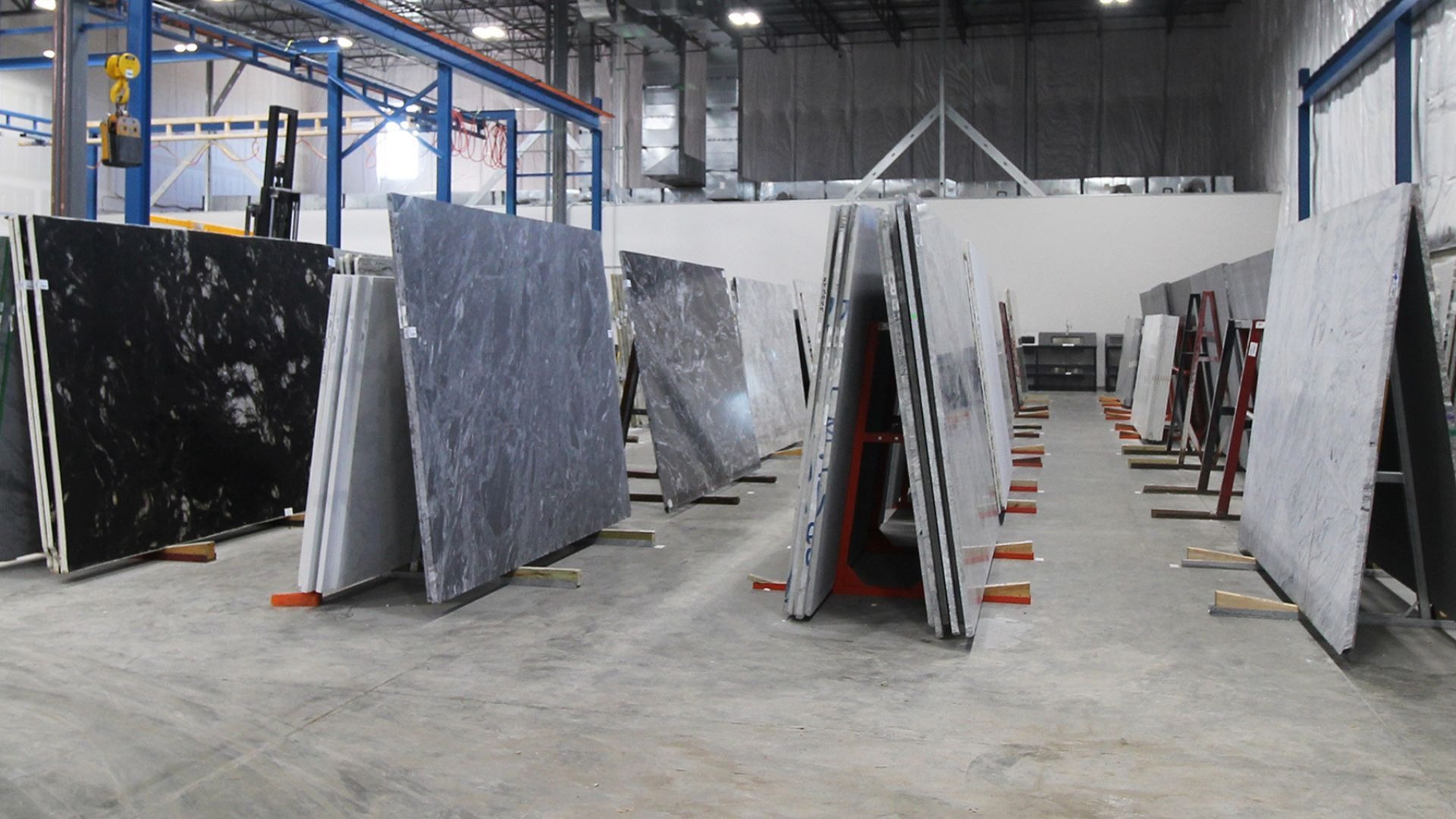
Full Slabs Look Very Different Than Small Samples
A small showroom sample rarely reflects how a countertop will actually appear once installed across long counters, islands, and vertical surfaces.
This is particularly true for:
- granite countertops
- quartzite slabs
- heavily veined quartz
- dramatic marble surfaces
What initially looks elegant and subtle in a sample may feel visually overwhelming across a larger kitchen layout.
In many remodeling projects, homeowners realize too late that the slab movement competes heavily with cabinet texture, backsplash patterns, or flooring tones. That is why experienced countertop fabricators often encourage reviewing full slab layouts under realistic lighting conditions before fabrication begins.
Lighting itself also changes the countertop appearance more than many people expect. Polished surfaces reflect natural and artificial light differently throughout the day, while darker countertops can sometimes make smaller kitchens feel visually heavier.
Prioritizing Appearance Over Kitchen Functionality
Beautiful kitchens can still feel frustrating if the countertops do not support the way the space is actually used.
Many homeowners spend months choosing colors and finishes but far less time evaluating prep space, island comfort, seating clearance, and cooking workflow. Those practical details usually become much more important after installation than they seemed during planning.
Kitchen Islands Are Frequently Under-planned
Modern kitchen islands now serve multiple purposes at once. They function as prep stations, casual dining areas, entertaining spaces, workstations, and gathering spots throughout the day.
Because islands occupy such a central role within the kitchen, poor planning around countertop depth, overhangs, seating space, or traffic flow becomes immediately noticeable once the remodel is complete.
Even details like a countertop edge profile can affect long-term comfort. Sharp contemporary edges may suit modern kitchens visually but often feel less comfortable in homes where people regularly gather around the island or lean against the countertop during meals and conversations.
Rounded or eased edges tend to age more comfortably in busy kitchens while also reducing visible chipping over time.
Workflow Problems Usually Appear After Installation
Countertops influence how people move throughout the kitchen far more than most homeowners initially realize.
The relationship between prep space, cooktops, sinks, refrigeration, and seating areas directly affects how functional the kitchen feels during everyday use. A kitchen may appear visually balanced in renderings while still creating awkward movement patterns during cooking or entertaining.
This is why experienced remodeling professionals evaluate the following pointers instead of focusing entirely on material selection alone.:
- prep zones
- seating flow
- appliance spacing
- kitchen circulation
- countertop usability
In many homes, improving workflow ultimately has a greater impact on long-term remodeling satisfaction than choosing a trendier countertop material.
Underestimating Countertop Maintenance and Wear
Another major source of regret comes from misunderstanding how different surfaces behave over time.
Many homeowners choose materials based primarily on appearance without fully understanding how much maintenance, cleaning awareness, or surface protection will eventually be required.
Low-Maintenance Countertops Continue to Grow in Popularity
The growing demand for low-maintenance countertops reflects how modern kitchens are used today. Busy households often prioritize surfaces that simplify cleanup and require less ongoing attention.
That is one reason quartz countertops continue to remain popular in homes with heavy cooking routines, entertaining spaces, and active family kitchens. As a non-porous engineered stone surface, quartz resists staining well and does not require periodic sealing.
For many homeowners, convenience becomes increasingly valuable over time, especially in kitchens used constantly throughout the week.
Discussions around maintenance expectations naturally overlap with broader conversations about choosing the best countertop material for the way you actually live, particularly when balancing practicality against the natural texture and variation found in stone surfaces.
Natural Stone Countertops Require Different Expectations
Many homeowners are drawn toward natural stone countertops because of their warmth, movement, and individuality. Materials like granite, marble, and quartzite often create a more organic and layered appearance than highly consistent engineered surfaces.
However, these materials also require different expectations around sealing, cleaning products, surface wear, and long-term care.
That does not make them poor choices. In fact, many homeowners strongly prefer the depth and authenticity of natural stone. Problems usually happen when homeowners expect marble or granite to behave exactly like quartz without understanding how the surfaces age and respond to daily use.
Homeowners comparing granite vs quartz countertops often discover that the decision comes down less to which material is objectively “better” and more to which surface aligns best with their cooking habits, maintenance preferences, and overall kitchen goals.
Following Kitchen Design Trends Too Aggressively
Kitchen trends evolve quickly, but countertops remain part of the home for many years.
Highly trend-driven choices sometimes create excitement initially but lose appeal once design preferences begin shifting. Countertops influence the overall atmosphere of the kitchen more aggressively than many homeowners expect because they visually connect nearly every surrounding material.
This is one reason timeless kitchen countertop design usually focuses on balance rather than extremes.
Kitchens that continue feeling comfortable years later often combine durable surfaces, cohesive finishes, practical layouts, thoughtful lighting, and countertop materials that support both the architecture of the home and the way the space functions every day.
In many cases, the most successful kitchens are not the trendiest. They are the ones that continue feeling practical, visually balanced, and easy to live in long after the renovation is complete.
Final Thoughts
Most countertop regrets do not happen because homeowners chose the “wrong” material alone. They happen because important decisions around layout, maintenance, workflow, slab movement, lighting, and long-term usability were overlooked during the planning process.
The best countertop projects balance:
- surface durability
- practical maintenance
- kitchen functionality
- visual cohesion
- long-term comfort
A successful kitchen remodel is not simply about installing beautiful countertops. It is about creating a kitchen that continues to feel functional, comfortable, and visually balanced years after installation day.