
Choosing new countertops sounds simple until you begin comparing materials. Suddenly you are balancing appearance, maintenance, durability, cooking habits, long-term practicality, and overall design style all at once. The truth is that the best countertop material is rarely the one that simply looks best in a showroom. It is the one that fits how your home actually functions every day.
Some homeowners cook constantly and need surfaces that handle heat and heavy use. Others prioritize low maintenance, while some want natural stone countertops with movement and individuality that make the kitchen feel more personal. The right decision usually comes from understanding your routines first and materials second.
That shift toward practicality is becoming more common in remodeling decisions overall. According to the 2026 U.S. Houzz Kitchen Trends Study, more homeowners now renovate because their kitchen no longer functions well for daily life, with the percentage rising to 38% compared to the previous year. Concerns around functionality are now approaching dissatisfaction with outdated style as one of the biggest renovation drivers.
Start with How Your Kitchen Is Actually Used
Many homeowners begin by asking:
“What is the best countertop?”
A better question is:
“What type of countertop works best for the way we live?”
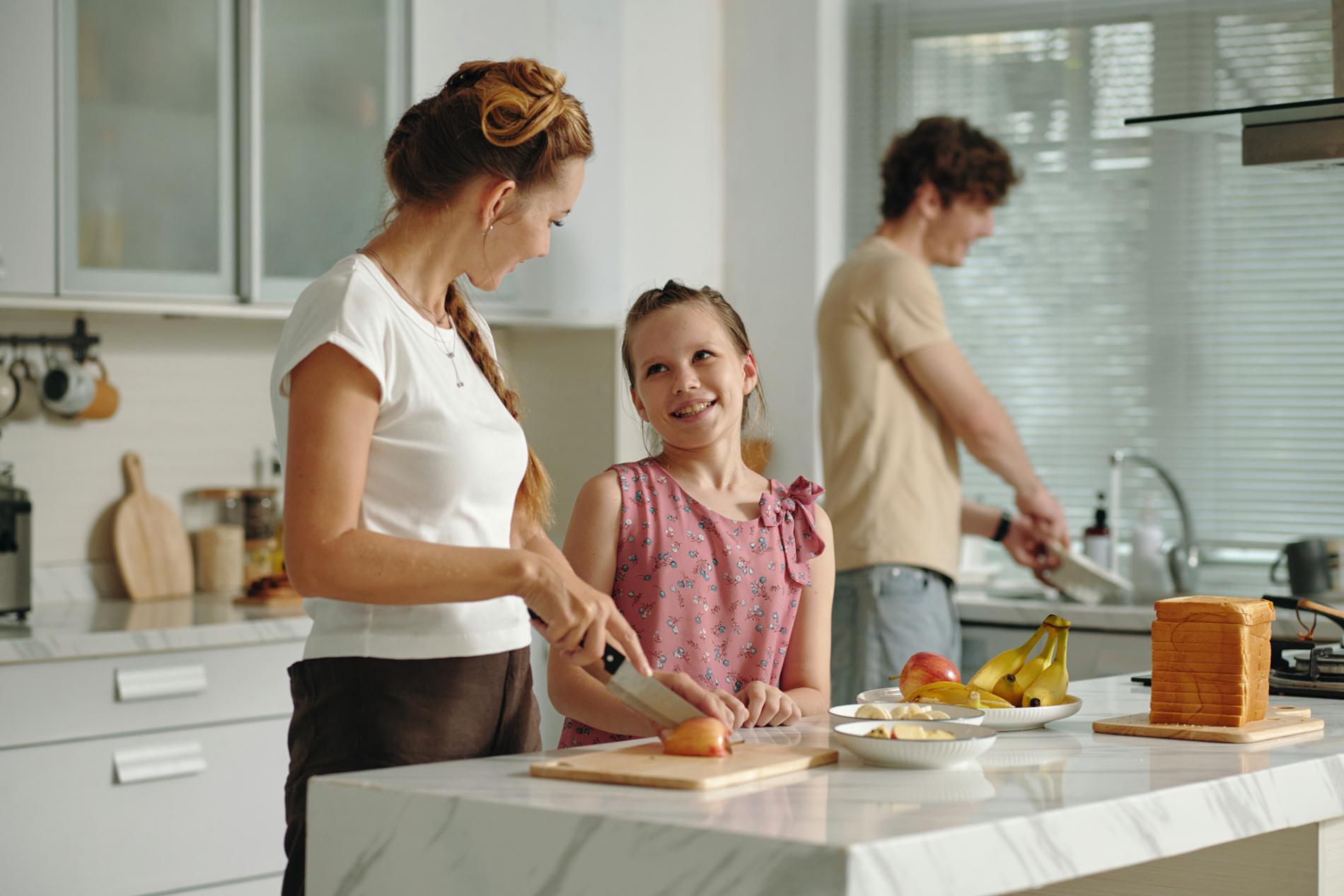
A kitchen used for entertaining every weekend has different demands than one used mainly for quick meals and coffee in the morning. The most successful remodels usually begin by identifying what the space needs to handle daily, not just what looks appealing online.
Busy Kitchens Usually Benefit from Low-Maintenance Surfaces
In kitchens with constant activity, maintenance and durability quickly become part of everyday life. That is one reason quartz countertops continue to grow in popularity. They resist staining well, do not require sealing, and maintain a more consistent appearance over time.
For households with children, frequent cooking, or heavy entertaining, the ability to clean surfaces quickly without worrying about additional maintenance often becomes a deciding factor. Questions around long-term value and practicality also come up frequently when homeowners compare quartz to more natural materials, especially when balancing convenience against appearance and individuality.
Natural Stone Countertops Create a Different Feel Entirely
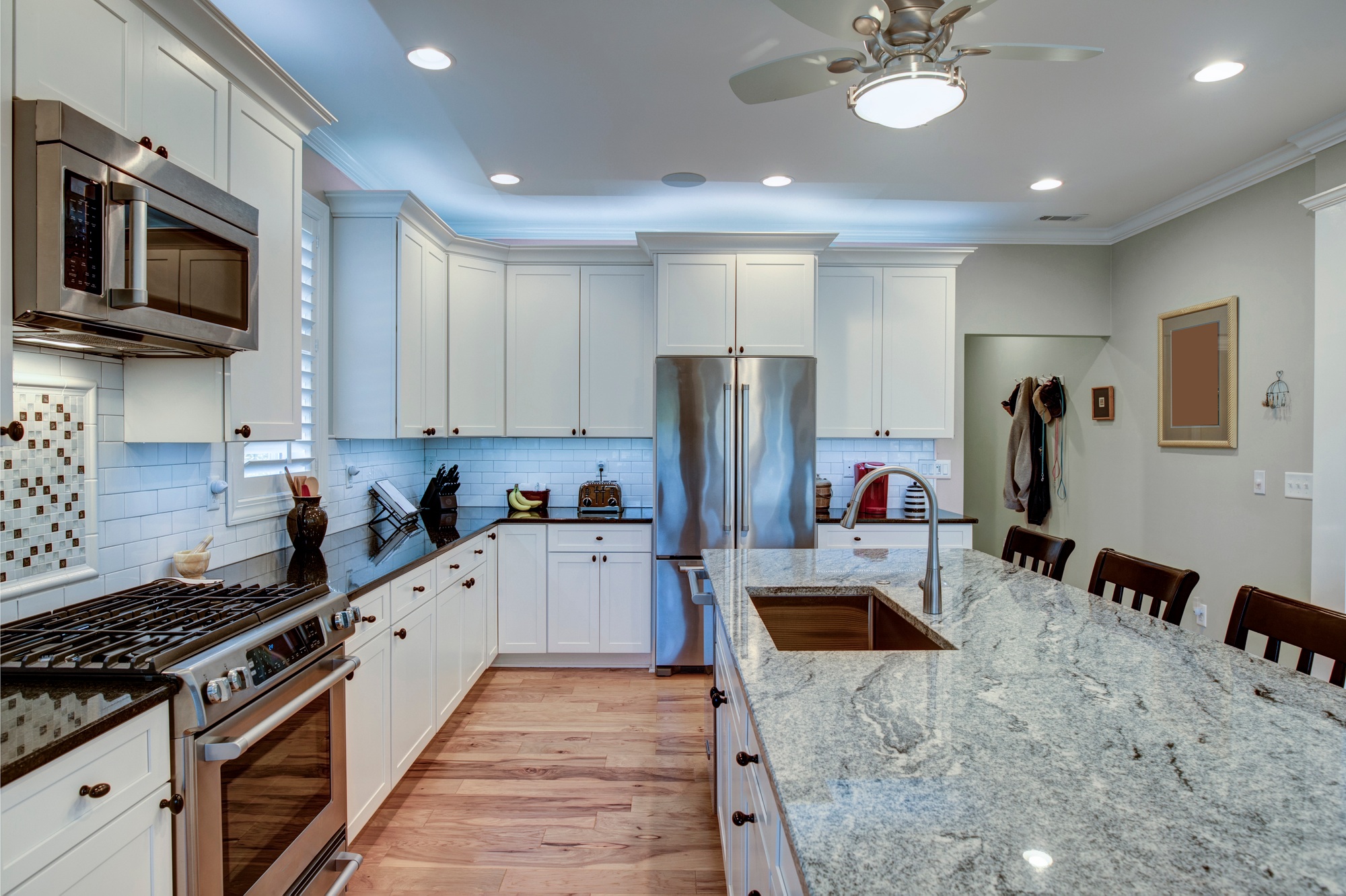
Some kitchens benefit from surfaces that feel less uniform and more connected to natural materials. Granite countertops remain popular because every slab carries unique movement, variation, and depth that cannot be perfectly replicated.
That individuality changes how a kitchen feels visually. Rather than looking manufactured or repetitive, natural stone surfaces often make the space feel warmer, more grounded, and more connected to the overall character of the home.
This difference becomes especially noticeable in kitchens designed around natural light, texture, and architectural detail, where the variation within the stone becomes part of the overall design rather than simply a surface choice.
Comparing Popular Countertop Materials Beyond Appearance
Countertop comparisons often focus too heavily on visuals while overlooking how materials behave over years of everyday use.
Quartz Countertops Prioritize Consistency and Convenience
Quartz kitchen countertops are engineered to provide predictable color, pattern consistency, and low maintenance. Many modern quartz designs now closely resemble natural stone while still offering the practical advantages homeowners expect from engineered surfaces.
Quartz often works especially well in:
- Busy family kitchens
- Contemporary spaces
- Homes with frequent entertaining
- Kitchens where low maintenance matters most
The consistent appearance of quartz can also help larger kitchens feel visually cleaner and more balanced, particularly in open floor plans.
Homeowners exploring different countertop materials often compare these practical advantages against the warmth and variation found in natural stone surfaces.
Granite Countertops Offer More Natural Variation
Unlike engineered materials, granite countertops bring natural depth and one-of-a-kind movement into the home. No two slabs are exactly alike, which creates a more custom appearance within kitchens and bathrooms.
Granite also handles heat exceptionally well, making it attractive for homeowners who cook frequently or want surfaces that feel more resilient during heavy use.
Many homeowners comparing granite vs quartz countertops eventually realize the decision comes down less to which material is “better” and more to whether they value consistency or natural individuality within the space.
The difference between those two approaches becomes much easier to understand when viewing full slabs rather than relying on small samples alone.
Marble and Quartzite Appeal to Design-Driven Spaces
Materials like marble and quartzite are often selected for kitchens and bathrooms where visual impact matters just as much as durability.
Marble delivers softness, natural veining, and timeless elegance, though it typically requires more awareness around maintenance and etching.
Quartzite, meanwhile, combines natural stone movement with stronger durability, making it increasingly popular among homeowners who want a dramatic natural appearance without sacrificing everyday performance.
The Best Countertops Balance Function and Long-Term Satisfaction
One of the most common remodeling mistakes is choosing countertops based entirely on appearance without thinking about how they will perform over time.
Durability and Maintenance Are Not the Same Thing
A countertop can resist heat extremely well but still require periodic sealing. Another surface may resist stains but need more caution around direct heat exposure.
Understanding the difference between:
- maintenance
- heat resistance
- stain resistance
- repairability
- long-term wear
helps homeowners make decisions that feel right years later, not just immediately after installation.
Good Design Usually Feels Effortless Over Time
The best kitchens rarely feel designed around trends alone. Instead, they feel functional, comfortable, and easy to live in.
Countertops play a major role in that experience because they affect:
- daily cleaning
- cooking routines
- visual flow
- lighting reflection
- overall kitchen atmosphere
This is one reason many homeowners spend time comparing materials carefully before making final decisions. Surfaces that look beautiful but constantly require extra attention can eventually feel less enjoyable than expected.
For homeowners evaluating long-term kitchen upgrades, many of these decisions overlap with broader conversations around kitchen countertop design trends, material longevity, and how kitchens evolve over time.
Final Thoughts
The best countertop material is rarely about choosing the most expensive or most popular option. It is about selecting a surface that supports how your household actually functions every day.
For some homes, that means low-maintenance quartz countertops that simplify daily upkeep. For others, it means the warmth and individuality of natural stone countertops like granite or marble.
The goal is not simply to install a beautiful surface. It is to create a kitchen that feels practical, comfortable, and visually balanced long after the remodel is complete.